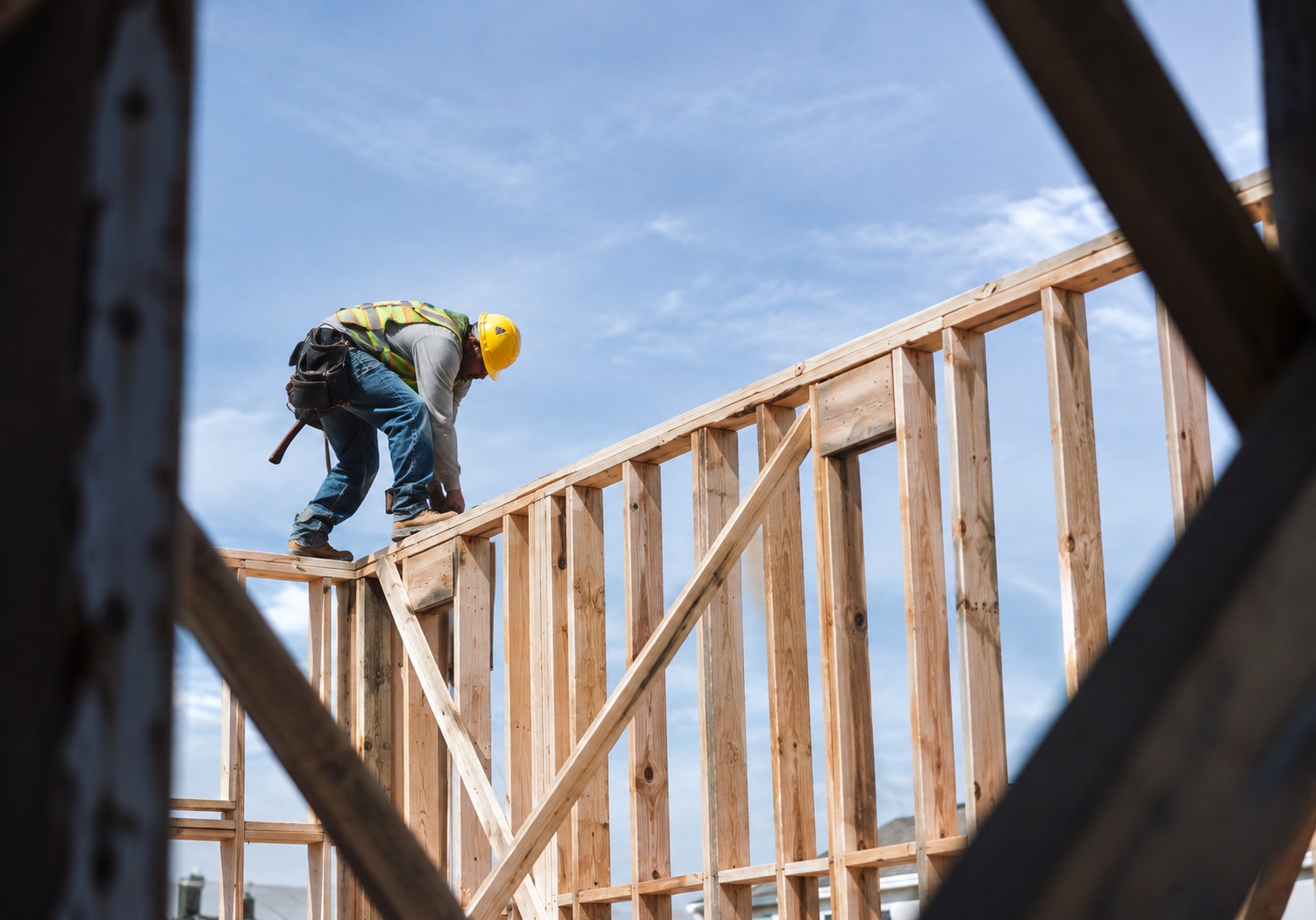
Construction staffing firms must balance labor needs with the hazards of the sites where employees work. Those environments may involve heavy equipment, electrical exposure, elevated work, and confined spaces. A staffing firm may employ a worker while another company directs the day-to-day work, so workers’ compensation planning should account for both the assignment and the worksite.
National data counted 1,034 fatal injuries in the construction industry in 2024, out of 5,070 workplace deaths across all industries. For staffing firms, a sound workers’ compensation approach involves more than buying insurance. It also requires assessing job hazards, defining responsibilities, preparing workers, and reviewing agreements.
Start With the Actual Risks Workers Face
Construction hazards can turn a routine shift into a serious incident, so staffing firms should understand the risks before making a placement. Major hazards include falls, electrocution, being struck by an object or vehicle, and being caught in or between equipment or materials.
Additional threats include exposed wiring, falling objects, moving vehicles, machinery, and collapsing trenches. Confined spaces add danger when movement or escape is restricted, and may require air testing, ventilation, communication, and rescue planning.
Classify workers based on the duties they will actually perform. A general laborer entering a confined space faces different risks from a drywall installer. Accurate job descriptions help insurers assess exposure and help both employers identify appropriate training and protective equipment.
Build a Workers’ Compensation Program Around Construction Staffing
A construction staffing firm needs coverage and procedures that reflect temporary assignments and changing worksites. Workers may move between contractors, projects, and job classifications within short periods, and each assignment can involve different hazards.
Before a worker arrives, collect information about the host employer, work location, job duties, equipment, expected hours, and known hazards. Establish who directs daily safety procedures and how workers will report concerns. Written agreements should address safety training, protective equipment, incident reporting, and insurance responsibilities.
The staffing company may provide the employee while the host employer controls the workplace. That division can create confusion after an accident. A written agreement can reduce uncertainty by assigning responsibilities, but the parties should also verify that their insurance documents match the actual arrangement. Paying a premium or reimbursing another party does not by itself establish that every party is covered.
Review Policy Terms and Responsibilities
Coverage depends on the policy wording, applicable law, and facts of the assignment. Staffing firms and host employers should review who qualifies as an insured, where coverage applies, and whether endorsements address alternate or host employers. They should confirm that job classifications and work locations are accurately disclosed to the insurer.
Have an insurance professional review the policy and contract together before an assignment begins. If an incident occurs, preserve the relevant assignment records, incident reports, and communications, and seek qualified legal and insurance advice about the specific claim. General descriptions of other disputes cannot determine whether a particular employer has immunity or coverage.
Make Jobsite Safety a Shared Responsibility
Workers’ compensation responds after an injury; effective safety systems aim to prevent injuries from happening. Temporary workers may understand general safety rules but still need instruction for the equipment, procedures, and hazards at a specific site.
A 2026 federal inspection following a fatal mini-excavator incident in a school crawl space identified confined-space failures involving hazard evaluation, atmospheric testing, ventilation, communication, training, and rescue procedures. The contractor also faced a citation involving modified equipment, while the staffing firm received citations related to entry procedures and worker training. Proposed penalties are subject to the case process and may change.
Staffing firms and host employers should agree on who provides general and site-specific training, who verifies that the work area is safe, and who can stop work when conditions change. A short pre-assignment review can cover the task, access and exit routes, protective equipment, emergency contacts, and how to report a hazard.
Use Claims Data to Improve Future Assignments
A resolved workers’ compensation claim can still provide useful warning signs and help prevent another injury. Several material handlers reporting back injuries, for example, may point to problems with training, equipment, workload, or job design.
Review claims and near misses by injury type, job role, worksite, and host employer. Look for repeated hazards, then discuss corrective steps with the host employer before placing more workers in the same conditions. Claims patterns can also reveal training gaps or unsafe equipment. The aim is to learn from each event and reduce the chance of recurrence.
FAQs
Who is responsible for temporary construction workers’ safety?
Responsibilities depend on the facts and the applicable safety requirements. Staffing firms and host employers should coordinate to maintain a safe work environment, make sure training and hazard communication are provided, and clearly assign tasks such as site-specific instruction and equipment control.
Should staffing firms provide safety training to construction workers?
Workers need training suited to their work. The staffing firm and host employer should coordinate so general instruction and site-specific guidance cover the hazards, equipment, and procedures the worker will encounter before the assignment begins.
What should staffing firms do after a temporary worker is injured?
Notify the host employer, document the event, and investigate what caused it. Both parties should identify corrective measures and follow up before other workers face the same hazard. Keep the worker informed about the reporting and claim process.
Key Inputs
| U.S. construction fatalities, 2024 | 1,034 of 5,070 workplace deaths |
| Major construction hazards | Falls, electrocution, struck-by, caught-in/between |
| Confined-space controls | Hazard evaluation, atmospheric testing, ventilation, communication, training, and rescue planning |
A workers’ compensation program for construction staffing should connect insurance with everyday safety decisions. Start with accurate worker classifications and clear agreements with host employers. Add assignment-specific training, site safety checks, and reporting procedures.
Review insurance policies alongside these processes. Confirm who is covered, which endorsements apply, and how responsibilities are divided. The goal is to reduce preventable accidents while creating a clear process for legitimate claims. Construction work carries risks, but firms can identify and manage them more effectively.