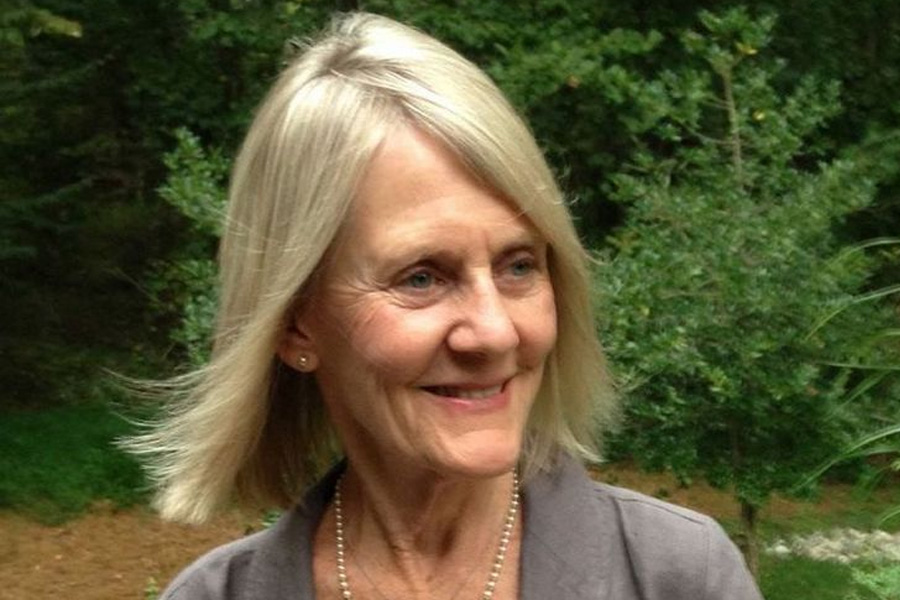
A personal introduction to Elinor Bacon
I have followed the arc of Elinor Bacon as if tracing streetcar lines across a city map. She is a practitioner who moves between policy rooms and construction sites. Her work reads like an inventory of public intent and private action: federal housing programs, quasi public development corporations, and a private development practice that joined a major waterfront renewal. I find her story threaded through specific years, budgets, and projects. Those numbers matter. They measure impact.
Early life and the family that shaped her
Elinor grew up inside a family that regarded city form and civic life as a raw material. Her father, Edmund Norwood Bacon, lived 1910 to 2005. He led Philadelphia planning from 1949 to 1970 and wrote a book that became a study text for generations. Her mother, Ruth Hilda Holmes, stood at his side through those decades. Siblings include Michael Bacon, born 1949, a composer and musician; and Kevin Bacon, born 1958, an actor with a global profile. Other siblings named in family records include Karin, Hilda, and Kira. Those names appear in genealogies and obituaries. I treat them as anchors that hold the more public parts of Elinor’s life in a human context.
| Name | Relation | Born – Died | Public role or note |
|---|---|---|---|
| Edmund Norwood Bacon | Father | 1910 – 2005 | Urban planner, Philadelphia City Planning Commission director 1949 to 1970 |
| Ruth Hilda Holmes | Mother | – | Teacher and activist |
| Michael Bacon | Brother | 1949 – | Musician and composer |
| Kevin Bacon | Brother | 1958 – | Actor |
| Karin Bacon | Sister | – | Private; listed in family records |
| Hilda Bacon | Sister | – | Private; listed in family records |
| Kira Bacon | Sister | – | Private; listed in family records |
| Ellis Williams Bacon | Paternal grandparent | – | Genealogical record |
| Helen Atkinson Comly | Paternal grandparent | – | Genealogical record |
| Artemas Holmes | Maternal grandparent | – | Genealogical record |
| Dorothy Francis Smith | Maternal grandparent | – | Genealogical record |
Seeing the family this way is like looking at a block full of row houses: each house has its own door, but the street binds them together.
Career milestones and achievements
I chart Elinor Bacon’s career by institutions and dates to show influence. She was HUD’s Deputy Assistant Secretary from 1997 until 2000. She managed HOPE VI and other public housing developments. HOPE VI financing in her era was billions, with $4.2 billion often cited. Public funds for large-scale urban change.
She became National Capital Revitalization Corporation’s first president and CEO in 2001. Washington, D.C.’s NCRC manages urban renewal assets. She founded E.R. Bacon Development, LLC in 2002 to specialize in urban infill, mixed-income housing, and adaptive reuse. E.R. Bacon Development later partnered in hundreds of millions-dollar waterfront redevelopment projects with millions of square feet.
She supervised community development for Johns Hopkins Hospital and ran a Baltimore private development consulting firm for 12 years before joining HUD. A congressional legislative office employed her. My career map includes these stops. Years in office, program cash totals, project area in square feet, phases of construction, and planning-to-ribbon-cutting durations are public records for each location.
How her career connects to place and policy
Elinor’s work reads as a study of how policy becomes place. HOPE VI is one major pivot. During the late 1990s HOPE VI funding was used to demolish and rebuild distressed public housing, replacing some units with mixed-income housing and subsidized affordable units. Administering such a program requires juggling federal appropriations, local implementation, housing authorities, developers, and community stakeholders. It is a complex orchestra with many conductors.
At the municipal level she helped manage transfer and stewardship of urban renewal tracts. At the project level she worked in partnerships where private capital met public obligations: inclusive hiring goals, affordable housing commitments, and design review processes. Those responsibilities are contractual, measurable, and often reported in annual project documents and community benefit agreements.
A timeline of key dates and numbers
| Year | Event |
|---|---|
| 1963 | Approximate Bennington College class year |
| 1980s to 1990s | Operated a private Baltimore development practice for about 12 years |
| 1997 to 2000 | Deputy Assistant Secretary, HUD – Office of Public Housing Investments |
| 2001 | First President and CEO, National Capital Revitalization Corporation |
| 2002 | Founded E.R. Bacon Development, LLC |
| 2006 to 2022 | Partner in large scale waterfront redevelopment projects with phased openings across years |
| 2012 | Interview and public discussions on New Urbanism and redevelopment approaches |
| 2018 to 2025 | Frequent jury service, board roles, and public forum participation |
Numbers make action visible. Dates give it a spine. Projects offer texture.
Family as influence and as fact
I return to family because it shaped an early sense that cities are things to be read and redesigned. Edmund Bacon’s public career provided a living example of civic commitment. Michael and Kevin illustrate how a single family can produce multiple public profiles across art and public life. The other siblings, less visible in national press, are nonetheless part of the constellation that explains why Elinor pursued civic investment rather than private speculation alone.
FAQ
Who is Elinor Bacon in one sentence?
I would say she is an urbanist and developer who moved from public service – specifically HUD leadership roles administering large housing revitalization funds – into quasi public and private development where she applied policy experience to build mixed-income and waterfront projects.
What major federal program did she oversee and when?
She served at HUD from 1997 to 2000 and administered HOPE VI and other public housing investment programs during that period. The HOPE VI program involvement is tied to multi-billion dollar appropriations in that era.
What are the names and roles of her closest family members?
Her father is Edmund Norwood Bacon 1910 to 2005, a leading urban planner. Her mother is Ruth Hilda Holmes. Brothers include Michael Bacon born 1949, a composer, and Kevin Bacon born 1958, an actor. Sisters named in public records include Karin, Hilda, and Kira. Several grandparents are recorded in genealogies including Ellis Williams Bacon and Helen Atkinson Comly on the paternal line, and Artemas Holmes and Dorothy Francis Smith on the maternal line.
What private firm did Elinor Bacon found and when?
She founded E.R. Bacon Development, LLC in 2002. The firm focuses on urban infill, adaptive reuse, and mixed-income development, and has been a partner in large waterfront redevelopment projects.
What are measurable achievements in her career?
Measured achievements include administering federal housing capital programs during the late 1990s that moved billions of dollars, leading a municipal revitalization corporation, and participating as a development partner on waterfront projects that involve millions of square feet and hundreds of millions of dollars in private and public investment.
Where did she work before federal service?
Before HUD she directed community development at The Johns Hopkins Hospital, served as a legislative assistant to a member of Congress, and ran a private development consulting practice in Baltimore for about 12 years.