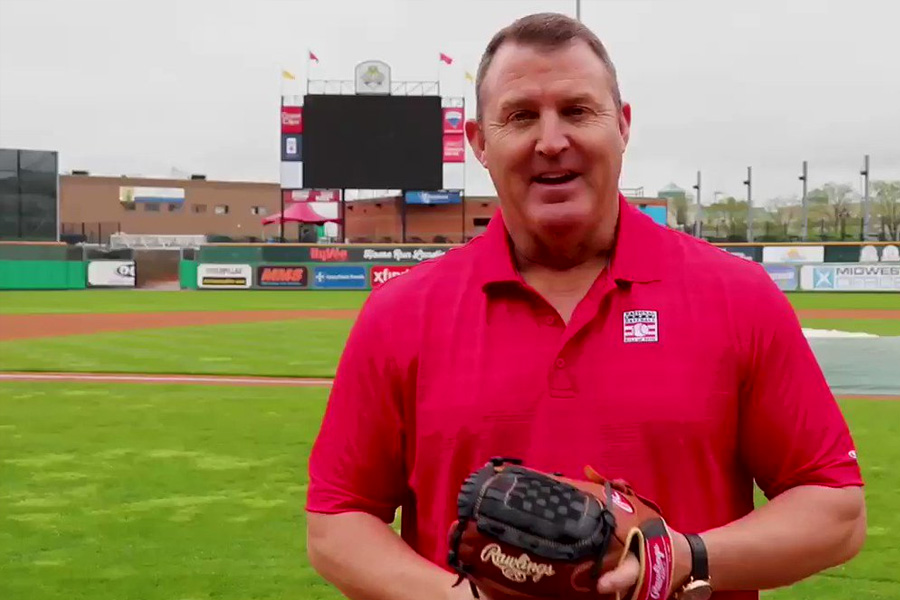
A concise portrait
| Field | Detail |
|---|---|
| Name | David Bielfeldt |
| Primary base | Peoria, Illinois |
| Roles (publicly documented) | Local investor and real-estate developer; President (community nonprofit board); business owner/manager of Peoria-area holdings |
| Family | Partner: Julie (surname used publicly as Julie Bielfeldt); Children: Elle, Max (b. June 7, 1993), Matti, Lydia |
| Family philanthropic footprint | Bielfeldt family giving and an endowed university athletic administration building (dedicated 1996) |
| Public mentions | Local business profiles, nonprofit board listings, property and court filings, social media mentions |
| Notable family legacy dates | 1950s (family athletic legacy begins); 1996 (Athletic Administration Building dedication); 2016 (son Max — Big Ten Sixth Man recognition); Nov 2025 (local real-estate transaction public mention) |
Family portrait: four children, layered legacy
The Bielfeldt household reads like a sports roster folded into a philanthropic ledger. David and Julie raised four children who have each appeared in public life to varying degrees. Elle — the eldest — followed an athletics path and later married a professional basketball player; Max, born June 7, 1993, is the most widely publicized of the siblings thanks to a multi-year college basketball career that included a high-profile transfer and conference honors (2016 Big Ten Sixth Man of the Year). Matti and Lydia round out the family roster; both have been identified in collegiate athletics listings and local profiles.
Beyond first names, the family carries a multigenerational footprint. Gary and Carlotta Bielfeldt — of the preceding generation — established the family’s visible philanthropic layer, most visibly in an athletic administration building named for the family and dedicated in the mid-1990s. That building, the donations that enabled it, and subsequent foundation activity are threads in the family’s public fabric, connecting personal stories to institutional names and places.
Career and civic life: investor, developer, board leader
David’s public biography is local, layered, and practical rather than national in scope. He has been described in community business profiles as an investor and real-estate developer, and in at least one community recognition list as the president of a local investment vehicle called the Anchor Group. Much of his activity centers on property ownership, management, and development in and around Peoria. That practical, concrete focus — buying, developing, and stewarding local property — is the kind of work that steadily shapes a city even if it rarely makes national headlines.
Civic engagement is another visible facet. On nonprofit and community pages David appears as a leader — holding the presidency of a regional zoological society board and serving on other civic boards over the years. These leadership slots position him at the intersection of private investment and public benefit: the family gives and the family helps run organizations where money, strategy, and community expectation meet.
Philanthropic and institutional ties: the family foundation and the campus building
The Bielfeldt family’s endowed presence on a major Midwestern university campus is a structural fact: a family name on an athletic administration building is a long-lasting imprint. Family philanthropic activity, organized through a family foundation, has been referenced in filings and institutional donor histories. Those filings show the family operating at the level of charitable giving, with the foundation functioning as the transactional vehicle for longtime gifting and community support. The frame here is less about headlines and more about institutions: buildings, endowments, and ongoing community relationships.
Public records, transactions, and the arithmetic of local influence
Numbers matter in local development: property parcels, appeal filings, board seats and donation amounts (where reported) form the ledger. Public filings show David named in property tax appeals and in business litigation tied to ownership interests; recent local business coverage (November 2025) names a Peoria Riverfront Group LLC property sale connected to companies where David is listed as owner/manager. These kinds of entries — court dockets, tax appeal decisions, and transaction records — are the technical language of local real-estate influence. They are not glamourous, but they are decisive: one parcel changed, one zoning decision approved, a building sold — and the city’s map changes a little more.
Timeline of select public markers
| Year / Range | Event |
|---|---|
| 1950s | Gary Bielfeldt plays college football (family athletic roots). |
| Mid-1990s (1996) | Family name attached to a university athletic administration building (dedication). |
| June 7, 1993 | Birth of Maxwell “Max” Bielfeldt (son). |
| 2016 | Max recognized as Big Ten Sixth Man of the Year. |
| 2010s–2020s | David appears in local business profiles, nonprofit board listings, and property filings. |
| Nov 2025 | Local press coverage ties a Peoria Riverfront Group LLC property sale to a business connected to David. |
Media presence and public voice
David’s presence in media is diffuse: he is not the subject of biographical profiles so much as a named actor in other people’s stories — a parent at a college game, a board member listed on an organization page, an owner of a company on a transaction notice. Video coverage that touches the family typically centers on his children — especially Max — while audiovisual mentions of David are usually contextual: family in the stands, parents congratulated during senior nights, the family scene at sporting events. Social footprints are modest and local; a personal handle exists on a popular microblogging platform and local community posts show family involvement in civic life.
Character sketch in public view
If the public record were a house, David and his family built the foundation and lent their name to a room: the family name is structural. The record portrays a man whose work is practical — investing, holding, contesting property values when necessary, and serving community organizations in leadership roles. He operates largely within a regional sphere, where influence is measured parcel by parcel and board seat by board seat. The family’s athletic legacy — a grandfather who played college football and children who became collegiate athletes — gives the story visible arcs that connect neighborhood gyms to university administrative corridors.
Publicly documented legal and transactional notes
Legal and administrative records list David as a party in property tax appeals and in business litigation. These entries are the administrative grammar of property ownership: filings, appeals, and decisions that record disagreements and resolutions. They are part of the ordinary life of real-estate actors and indicate a hands-on involvement in the economic mechanics of ownership.
Where the name shows up
| Type of record | Typical appearance |
|---|---|
| University athlete bios | Identified as parent of children (Max, Elle, Matti, Lydia) |
| Local business profiles | Listed as president/owner of investment vehicles and real-estate efforts |
| Nonprofit pages | Board member or president (zoological society listed role) |
| Court / appeal records | Named party in property tax appeals and business litigation |
| Local news | Transactional mentions (property sales, local development) |
| Social media | Local account and community posts |
A clear theme runs through the public traces: steady, local engagement rather than national celebrity. Like a river that carves its course slowly, influence here is earned through transactions, board meetings, and family presence at the intersections of sport, philanthropy, and city life.