If you’re thinking about upgrading your yard, it helps to treat it like an extension of your home instead of leftover square footage. In places like Nashville, where long warm seasons, sudden storms, and mild shoulder months all shape how people spend time outside, smart planning matters. You want a space that handles heat, traffic, maintenance, and everyday routines without turning into a project you regret by next spring.
The best approach is to think beyond appearance. A successful outdoor living area should feel comfortable, serve a clear purpose, and hold up to changing weather. From the first layout decisions to the finishing details, every choice should make the space easier to enjoy.
Start With the Way You Already Live
A lot of outdoor projects go wrong before construction starts. You see a gorgeous patio online, copy the layout, and end up with a space that looks polished but never fits your habits. Before picking pavers or furniture, watch how you already use your yard. Maybe you grill twice a week, need room for a dog to run, or want a quiet corner where you can read without staring at the driveway.
That kind of audit keeps your design grounded. A family with middle-school kids usually needs circulation space and durable surfaces. Someone who hosts football watch parties needs seating zones, lighting, and easy access to food prep. If you work from home, an outdoor area with shade and reliable Wi-Fi may get more use than a fire pit.
Consider how many people will use the space regularly, whether you need room for guests, and which activities should take priority. Function should shape the layout long before style enters the conversation. Once you understand your routines, you can make design decisions that support them instead of creating features that look attractive but rarely get used.
Build Around Climate, Not Just Aesthetics
Outdoor spaces fail fast when they ignore local weather patterns. Sun exposure, drainage, humidity, and seasonal debris all affect materials and comfort. In Middle Tennessee, heat and moisture can punish low-grade wood, cheap cushions, and poor drainage design. A beautiful setup can start looking tired after one rough season if it wasn’t built for the region.
Outdoor projects benefit from professionals who understand the demands of the local climate and landscape. Nashville Outdoor Living Spaces is a company homeowners can consider when exploring ways to create a more functional backyard. Regional factors such as grading, stormwater flow, shade structures, and material performance should all influence the design. Getting these details right can make the difference between a yard that photographs well and one that remains comfortable and practical year after year.
Spend time observing the yard at different points throughout the day. Notice where direct sunlight falls, which areas remain shaded, and where water collects after heavy rain. These observations can help determine the best location for seating, cooking areas, and covered structures. Planning around the conditions you actually have is more reliable than choosing a layout based entirely on an inspiration photo.
Divide the Space Into Clear Use Zones
The best outdoor areas feel easy to move through. You shouldn’t have to drag chairs around every time guests come over or squeeze past the grill to reach the steps. A smart plan uses zoning, which is simply a way to separate activity areas without making the yard feel chopped up.
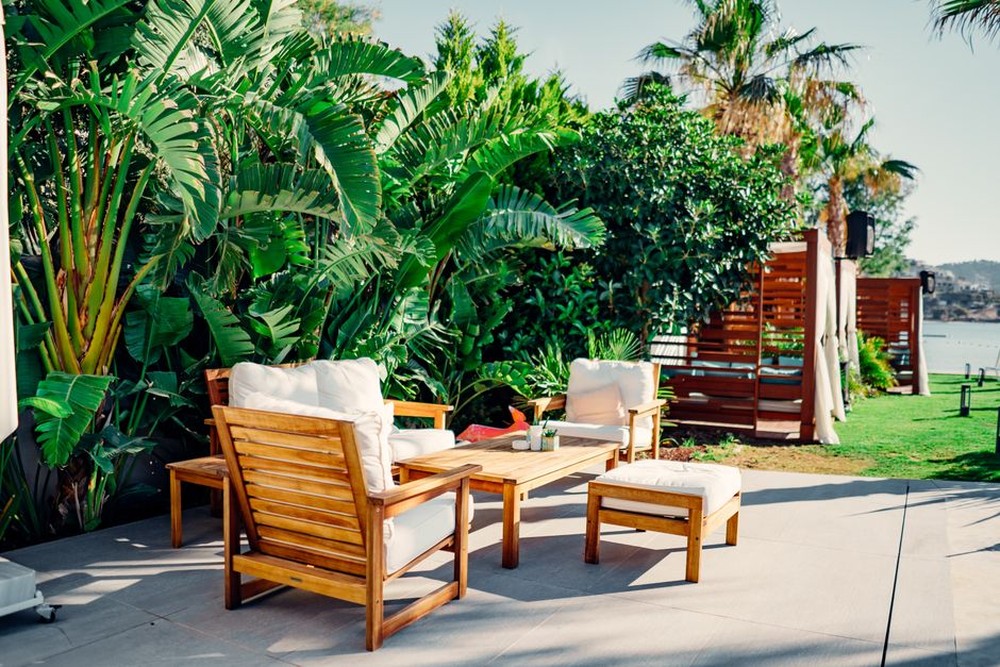
Think in terms of purpose: dining, lounging, cooking, play, and transition. Your dining area should sit close enough to the kitchen to avoid ten trips with plates. A lounge zone works better with softer lighting and some distance from the cooking area. If kids or pets use the yard, leave open space that doesn’t conflict with seating.
Hardscape edges, planters, pergolas, and changes in material can define zones without walls. You can also use rugs and furniture arrangements to make individual areas feel distinct. Before construction begins, check that pathways remain wide and convenient, particularly between the house, dining area, and outdoor kitchen. Good spatial planning makes even a modest backyard feel more intentional.
Choose Materials That Age Well, Not Just Materials That Impress
It’s easy to get distracted by showroom finishes and trendy combinations. What matters more is how those materials hold up after repeated weather exposure, furniture scraping, foot traffic, and cleaning. Natural stone, composite decking, sealed concrete, porcelain pavers, and pressure-treated framing all perform differently, both visually and structurally.
You should also think about maintenance tolerance. If you know you’re not going to reseal wood every year, don’t design a space that depends on constant upkeep. If your yard gets direct afternoon sun, dark surfaces may become uncomfortable in summer. Slip resistance matters near pools, outdoor kitchens, and irrigation zones.
Texture, thermal performance, and drainage capacity are not glamorous topics, but they affect daily use far more than trend-driven finishes. Ask how a material responds to moisture, temperature changes, and regular cleaning before committing to it. Durable design tends to look better over time because it keeps working.
Plan for Utilities Earlier Than Feels Necessary
Many outdoor renovations get more expensive because utility planning happens too late. Once a slab is poured or pavers are installed, adding gas lines, electrical conduit, irrigation sleeves, drainage, or audio wiring becomes disruptive and costly. Even if you’re not building the full dream setup this year, rough-ins can save serious money later.
Think about what your future self may want: a built-in grill, a beverage fridge, overhead heaters, low-voltage lighting, motorized screens, or an outdoor sink. You don’t need to install every feature immediately, but you should design for them. The same applies to water management. French drains, downspout routing, and slope correction are rarely visible in finished photos, yet they’re often what protect the investment.
Landscaping can also play a practical role in managing runoff. For example, a properly planned rain garden can help collect and filter water from nearby hard surfaces. Virginia Tech’s homeowner guidance on rain gardens explains how site conditions and water flow affect placement and performance. A polished patio with poor infrastructure tends to become a repair project disguised as a luxury space.
Make Comfort the Priority, Not Decoration
You can decorate an outdoor room beautifully and still avoid using it because it feels too hot, too exposed, or too dark. Comfort comes from the technical choices behind the scenes. Shade orientation, airflow, seat depth, bug control, lighting temperature, and privacy all matter more than the throw pillows.
A pergola can soften direct sun, but only if it’s positioned correctly. Ceiling fans can improve comfort, especially in humid weather, but only if the covered area has enough structural support and electrical planning. Layered lighting works better than one bright fixture; mix task lighting near cooking zones with ambient lighting around seating.
Lighting deserves particular attention because it affects both atmosphere and practicality. Choose fixtures that illuminate steps, pathways, and work surfaces without making the entire yard uncomfortably bright. The U.S. Department of Energy’s guidance on responsible outdoor lighting discusses directing light where it is needed, using appropriate levels, and applying controls. Privacy can come from strategic landscaping, slatted screens, or elevation changes rather than fencing everything off. If you want the space to get used on weeknights, not just holidays, comfort has to carry the design.
Budget for the Full Experience, Not Just Construction
When people set budgets, they often focus on the patio, deck, or structure and forget everything that makes the space usable afterward. Furniture, storage, drainage upgrades, lighting controls, covers, landscaping, and maintenance all belong in the real cost. If your entire budget goes into hardscape, you may end up with a technically finished project that still feels incomplete.
Try breaking the budget into layers: site preparation, construction, utilities, furnishings, and finishing details. That approach gives you a more accurate picture and helps you phase work intelligently. Maybe year one covers grading, patio installation, and electrical rough-ins. Year two adds the outdoor kitchen and custom seating.
Planning in phases isn’t a compromise when it’s done intentionally. It usually leads to better decisions because you’re not forcing every feature into one rushed build. Keep a contingency amount for unexpected site conditions, too. Drainage corrections, grading changes, and utility adjustments can affect the final cost, particularly when the existing yard has limitations that were not obvious at first.
Think Beyond Resale and Focus on Daily Value
People often ask whether an outdoor upgrade adds property value. It can, especially when the work is cohesive and high quality, but resale shouldn’t be your only filter. The stronger question is whether the space adds daily value to your life. If you eat outside three nights a week, host family birthdays, or get a calmer morning routine from a usable patio, that return is real.
The most successful outdoor spaces are not the biggest or most expensive ones. They’re the ones designed around behavior, climate, comfort, and maintenance reality. A practical layout, suitable materials, reliable drainage, and thoughtful lighting can make a greater difference than a long list of decorative features.
If you plan carefully, your yard stops feeling like a separate project and starts functioning like another room in your home. That shift changes how often you use it, how well it ages, and how much satisfaction you get from every square foot.