Planning a fence installation involves defining property boundaries, choosing suitable materials, and determining gate locations based on access requirements. The layout may also need to account for existing structures and changes in ground level. These factors help establish the scope of the installation. Here are a few key elements to review when planning a fence installation:
Choose Suitable Fence Materials
Fence materials influence the appearance, maintenance requirements, and function of the finished structure. Wood suits properties where natural finishes or traditional picket designs complement the surrounding architecture. Vinyl offers privacy and decorative panel options, while metal fencing provides a different appearance and boundary style. Your property’s exposure to moisture and sunlight also influences how different materials perform over time.
Assess Property Boundaries
The proposed fence line determines the installation layout, so a handyman will help assess property boundaries, take measurements, and identify suitable post and gate locations. Existing features, such as decks and nearby structures, may also affect the placement, while sloped or uneven ground influences the installation approach. Before work begins, a handyman helps evaluate the following factors:
- Property measurements: Measure the intended fence length and identify the boundary dimensions.
- Ground conditions: Assess slopes and soil variations to determine appropriate post placement.
- Fence height: Select a height based on the property’s privacy and boundary needs.
- Local restrictions: Review applicable property regulations and neighborhood guidelines before installation.
Position the Fence Gate
Gate placement determines how residents access different areas of the property, so a handyman reviews daily entry needs when planning the layout. Driveway gates, backyard entrances, and side-yard access points each serve different purposes. Hinge selection and ground clearance also affect gate installation, particularly on sloped driveways where the lower edge requires adequate clearance. A handyman also evaluates the gate’s material and design to maintain consistency with the surrounding fence.
Prepare the Installation Site
Site preparation establishes the work area for fence installation and provides clear access to the intended fence line. Existing fencing, overgrown vegetation, and debris often obstruct the installation area; a handyman removes these obstacles before work begins. The work zone also requires enough space for post placement and equipment movement, while nearby landscaping and other property features need to remain clear of the installation area.
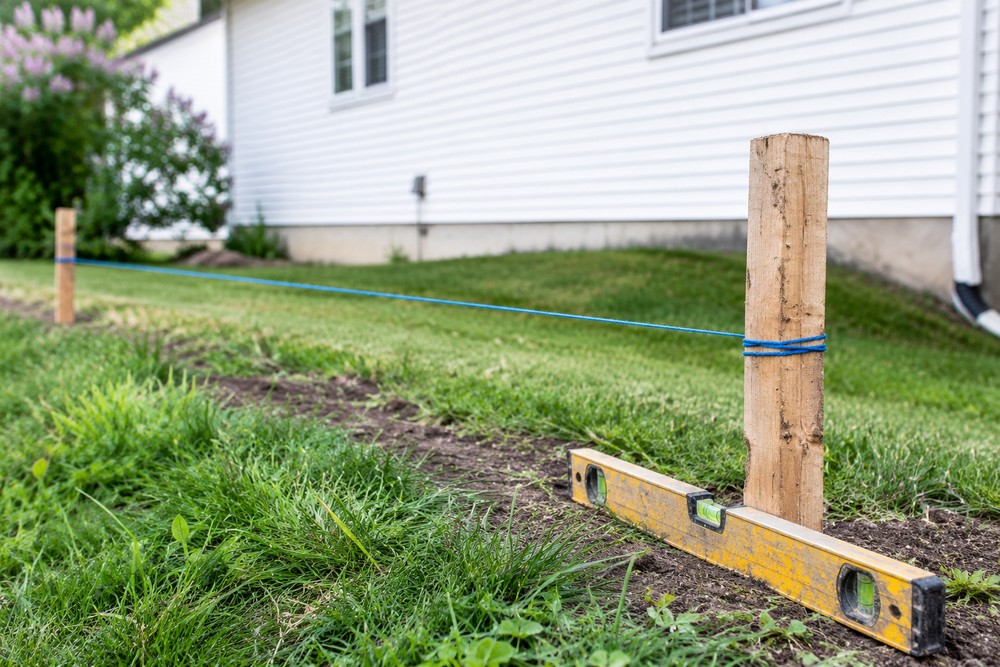
Post locations are measured and marked before the fence panels are attached. Consistent spacing allows individual sections to align, and proper post positioning supports the overall fence structure. Sloped terrain presents additional installation requirements because changes in elevation affect panel alignment and ground clearance. A handyman addresses these variations through stepped fence layouts or adjusted panel positioning, depending on the slope, fence style, and dimensions of the property.
Find a Fence Installation Company
The arrangement of fencing must also account for future maintenance activities and access to outdoor areas. Trees and their growing roots next to the fence line affect the space available for posts and panels, so consult professionals for fence installation services to assess the site and determine the most appropriate materials and layout. Contact a handyman company that offers fence repair and installation services today.