A 1958 rambler near Harrison Boulevard and a home completed last spring might be the same size yet use very different amounts of electricity. Many panel concerns begin with that difference, rather than with the quality of construction.
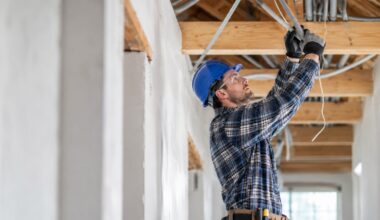
An electrician in Ogden walks into this exact conversation several times a week. Usually, a homeowner wants to know why lights dim when the dryer starts and whether the answer is a breaker or panel replacement, not a lecture on rewiring. Often, the answer depends on current household power use rather than the home’s 1974 needs.
What a breaker panel actually does, without the jargon
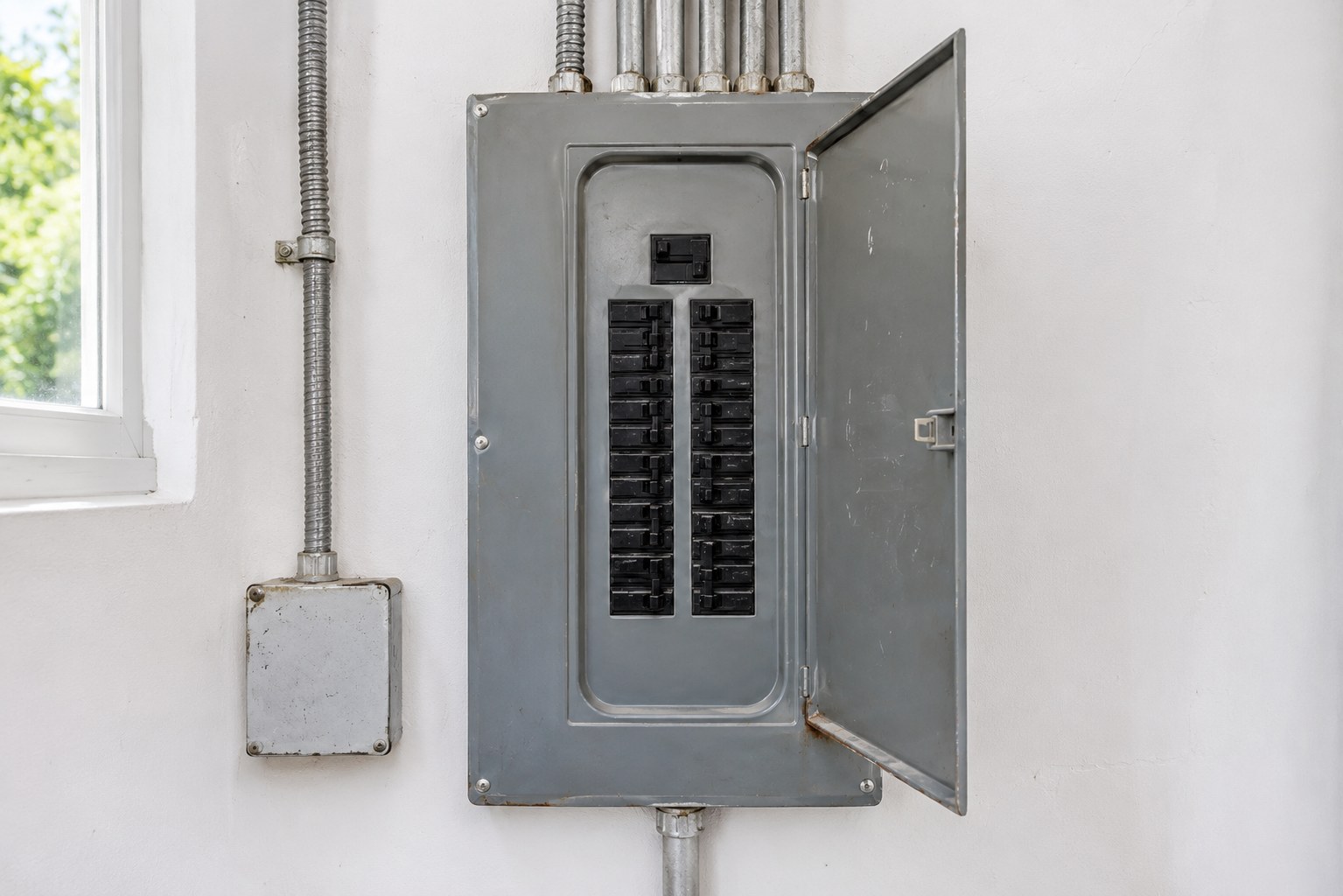
Picture the panel as a doorman managing a set capacity. Each circuit has a breaker that limits the current it can carry before tripping. The panel also has an overall limit, commonly 100 or 200 amps in a typical Utah house.
Every later addition puts another demand on that capacity. An EV charger. A heat pump. A tankless water heater. A finished basement with a mini-split and a home office full of monitors. Those loads may not have been part of the original electrical plan, and the panel cannot account for intentions. A panel that passed inspection in 1995 without a problem may feel strained now. The house and its electrical needs have changed.
Does your panel need an upgrade, or just a better plan?
A flickering light does not automatically mean the panel is at fault. A loose neutral or worn breaker may be the sole issue, and replacing a $12 breaker might resolve it in 20 minutes. I would rather see a homeowner spend small money first than tear into a panel replacement they did not need.
These three signs may indicate a panel-wide issue rather than a problem with one circuit:
- The main breaker trips when two large appliances run at once, not just one.
- You are out of open slots and somebody has started doubling up breakers to make room.
- Warm or discolored spots on the panel cover, or a faint burning smell near the box.
Do not wait to address the final warning sign. Discoloration and smell around a service panel are the kind of warning that safety codes exist to prevent, and local authorities enforce applicable electrical codes. If the cover feels warm, stop using high-demand appliances and arrange an inspection this week. I would also flag the fuse box crowd. If your home still runs screw in fuses, you are living with a system that predates modern circuit protection by decades, and insurance carriers have gotten pickier about it every year.
The service upgrade math, in plain numbers
| Panel size | What it comfortably handles | Where it starts to strain |
|---|---|---|
| 60 amp | Lights, a few outlets, one small appliance | Almost any modern addition |
| 100 amp | Gas furnace, gas range, standard appliances | EV charging, heat pumps, electric ranges |
| 200 amp | Whole home electric loads, EV, finished basement | Rarely, unless you add a second charger |
One important detail is often overlooked. Panel amperage is only one part of the service capacity. The service drop from the utility and the meter base matter too, and a 200 amp panel bolted to a 100 amp service entry gets you nowhere. An initial assessment should therefore examine the full electrical service, not only the panel.
Cost swings hard based on how much of the service line has to change, whether the panel can stay in its current spot, and whether your utility needs to pull the meter. I have seen straightforward swaps and I have seen jobs where the mast, the grounding, and the weatherhead all had to go. Same town, same house size, wildly different scope.
What the load calculation is actually for
A load calculation should come before a panel quote. This is an engineering calculation, not a sales tactic. It totals your square footage, your large appliances, your heating and cooling, and your planned additions, then compares that total to your service capacity. If a contractor skips the calculation and estimates by sight alone, ask for an explanation. The calculation is what tells you whether 200 amps is generous or barely enough, and it is the document that keeps an inspector happy. It also protects you from the opposite mistake, paying for a 400 amp service when 200 would have carried you for the next twenty years.
Before signing, consider the loads you expect over the coming decade, not only the equipment you own today. Solar, a second EV, a hot tub, and a basement kitchen all show up in the same panel eventually. Financing a bigger service once beats paying for two upgrades. For a broader look at how households are shifting toward electric loads, household electrification is increasing the variety of loads many homes place on their electrical systems.
A five-minute check you can do this evening
- Find your panel and read the main breaker number. It is printed right on the switch.
- Open the door, not the cover, and count empty slots. Zero empty slots is a real constraint.
- Write down every large appliance: range, water heater, dryer, furnace, AC, EV charger.
- Notice which breaker trips and what was running when it happened. Patterns matter more than one off events.
- Check the panel cover and the wall around it for warmth, rust, or dark smudges.
Keep your notes. They make a vague report of electrical trouble more specific and can save the technician time. If you are hiring out the work rather than poking at it yourself, electrical work can pose serious hazards, so the person you bring in should carry the licensing and insurance to match. Do not remove the panel’s dead-front cover to examine the bus bar. That cover is the only thing between you and live conductors, and there is no household fix worth that risk.
The judgment call I would make
For a home built before the mid-1980s that now has even one major added electrical load, begin with a load calculation. You may find out your hundred amp service is fine for now. You may find out it is not.
Do not keep resetting a breaker that trips and hope the problem goes away. Panels do not fail gracefully, and the failure that matters is the one that happens while you are asleep. Address warning signs promptly and have the system evaluated. Ask a licensed electrician for a written calculation, then decide based on the findings rather than the way the lights behave. Your house is asking a fair question. Answer it before it answers for you.
Added a safety cue: flickering or dimming lights, buzzing, warm outlets, discoloration, or burning smells warrant inspection by a qualified electrician; do not open or modify the panel yourself.