Family Origins and the Village of Kallstadt with Johannes Heinrich Anthon and Eva Farny
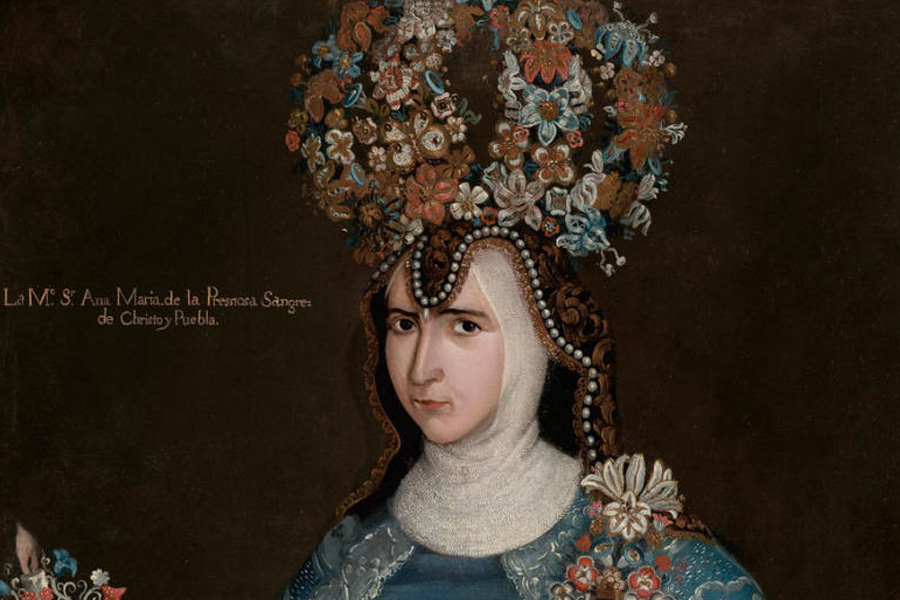
I imagined myself on a little German village’s slate streets to start this painting. The year is 1857. Child born into modest household. Anna Maria will have a simple but meaningful life. Johannes and Eva, her parents, keep harvest, church, and parish records. The baptismal register with fading ink and rows of dates linking names to places is practically visible.
Kallstadt is a vineyard-surrounded village. Numbers matter. Birth in 1857 frames the story. Anna Maria marries Philipp in 1877. Names repeat and family lines tangle like vines in the small village. I trace them to learn how a quiet woman became a hub for generations who changed distant skylines.
Marriage and Children with Philipp Christ and the birth of Elisabeth Christ
I imagine the wedding day, dated 15 December 1877. That date is precise enough to feel like a hinge. From that day on, a household expands. Children arrive across the late 1870s and 1880s, the most consequential for posterity being Elisabeth who is born in 1880. She will later marry and cross an ocean. She will carry the family name into another nation and into another century.
At home in Kallstadt, life is practical and measured. There is no ledger that lists wealth in modern terms, no headline about business ventures. Instead there are births, baptisms, marriages, deaths, and the steady accrual of family memory. I find it poignant how small acts of daily care become the scaffolding for later fortunes. A daughter learns to sew and cook. A son learns the trades. The village sends a few of its young to ports and to steamships, and one of those departures triggers the line that will lead to a New York cityscape.
The American branch and the household names: Frederick Christ Trump and Donald J. Trump
Elisabeth’s marriage and emigration change the family saga. Marriage in the ancient country gives way to new addresses and a distinct urban economy by 1902. One of her American-born sons will become a major New York developer. Fred, born in 1905, builds houses and owns property. He drives a family fortune that gains national prominence.
A 1946 grandson will become a public personality decades later. Miles, choices, timing, and descendants separate a grape town from a modern metropolis. From a hillside vineyard to a harbor, a river changes course but stays water.
Siblings and notable descendants: John G. Trump and Elizabeth Trump Walters
I note the broader family constellation. Siblings and cousins spread across professions and public life. Some pursue science, some pursue business, some maintain quieter lives. The presence of a sibling who became an engineer, and another who kept family ties close, gives texture to the family picture. That texture helps explain how memory and resources moved between generations.
I like to think of the family as a tapestry. Some threads shine bright. Others are nearly invisible until you hold the textile to the light. Each name is a stitch.
Timeline Table
| Date | Event | Notes |
|---|---|---|
| 7 January 1857 | Birth of Anna Maria | Village birth in Kallstadt |
| 15 December 1877 | Marriage to Philipp Christ | Marriage in Mannheim records |
| 10 October 1880 | Birth of Elisabeth | Elisabeth later emigrates to United States |
| 26 August 1902 | Marriage of Elisabeth | Marriage that links to the Trump line |
| 11 October 1905 | Birth of Fred | Frederick Christ Trump, New York developer |
| 1946 | Birth of a prominent descendant | Generation that attains national prominence |
| 1928 | Death of Anna Maria | Marks the close of her life span in Kallstadt |
The table reads like a simple ledger. Yet each cell contains decisions, longings, and migrations. I prefer tables when I want to keep dates honest and visible.
Career, finances, and everyday work
I cannot uncover modern records of Anna Maria’s commercial career. Newspapers do not list her as a businesswoman. Her ledger is parochial and domestic. Her absence does not diminish her. It emphasizes multigenerational family economies. The local economy employed her spouse. After their daughter married and moved, their fortune shows in several accounts abroad. The figures 1905 and 1928 show the progression from birth to marriage, emigration, and urbanization.
By raising children who make similar decisions, a homemaker impacts the future. This is clear to someone who reads registers and imagines living rooms behind them.
Personal impressions and the living trace
I write as someone who follows names like tracks in snow. The cool precision of dates and the warm blur of village life sit together. I can hold a name, a year, a marriage entry and also sense the laughter of a household, the small economies of bread and cellar and wine. The story of Anna Maria is not a headline. It is a slow turn of seasons that yields fruit both literal and genealogical.
I think about inheritance in two senses. The first is material. The second is character. Both travel, but not always along the same route. A daughter leaves the village. The village stays with her in language, in recipes, in a penchant for thrift. Those intangibles seed future paths.
FAQ
Who was Anna Maria Christ and when was she born
I can state that she was born in 1857 in a village in Germany. She married in 1877 and raised multiple children including a daughter born on 10 October 1880 who later emigrated to the United States.
What was the family background and who were her parents
Her parents were Johannes Heinrich Anthon and Eva Farny. They were members of a small village community where parish life and vineyard work structured daily life.
Who are the notable descendants from this family line
A notable line includes a son born in 1905 who became a developer in New York. A later descendant born in 1946 attained national prominence. Other family members include professionals in science and civic life.
Are there records of Anna Maria s own career or financial holdings
There are no records that present her as a business operator or a public financier. Her economic footprint appears embedded in household life and in the paths her children later followed.
How do dates and numbers help understand this family
Dates like 1857, 1877, 1880, 1902, and 1905 mark hinge points. They let me arrange cause and effect. They allow me to trace a migration that spans roughly 40 to 70 years and ends up altering geographic and social horizons.
What impressions remain after researching this family
I am left with the image of a quiet force. The woman at the center is like the rootstock of a vine. You do not always see the root but you see what grows from it. The family story is both intimate and expansive. It shows how small beginnings can feed large outcomes.