A personal introduction
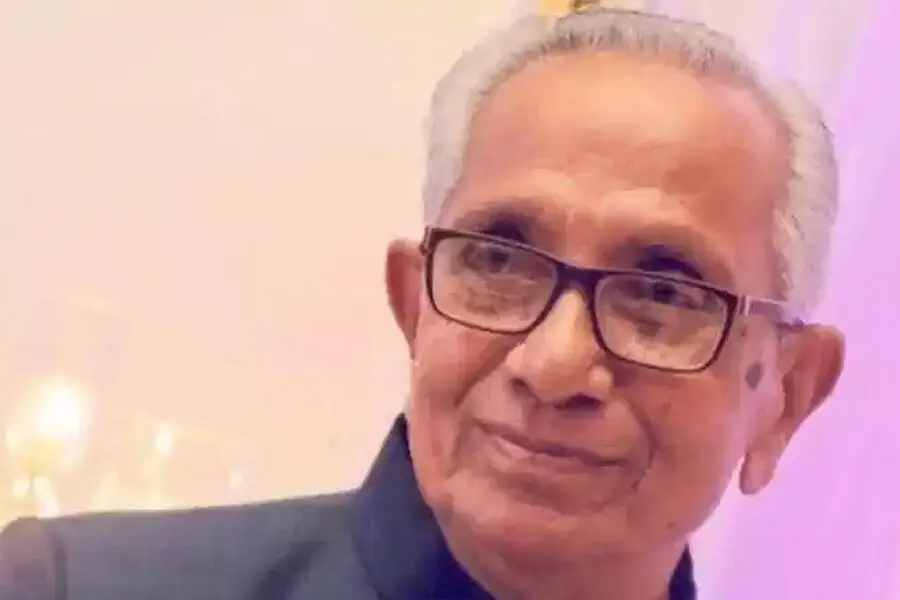
I have long been drawn to stories that sit at the intersection of public life and private memory. The life of Umapathy Kamineni reads like that kind of story. Born on 15 June 1928 and passing away on 27 May 2020 at age 91, he became a figure who touched administration, poetry, heritage, and family in ways that ripple outward. In this piece I trace the person and the family that grew around him, the work he did, and the echoes of his choices in the lives of his children and grandchildren.
Who he was
According to published records, Umapathy Kamineni was an Urdu shayari writer and a former Indian Administrative Service official. Just those two sentences allude to an odd combination: the loose, melodic logic of poetry and the exact, rule-bound reality of bureaucracy. That combination reminds me of two instruments in the same orchestra: one delivers the story, the other keeps time.
According to family posts, he has been associated with heritage projects related to Domakonda Fort and the restoration of its temple, which started about 2003. Additionally, he is said to have held a senior position at Tirumala Tirupati Devasthanam, which is sometimes referred to in public memorials as its first executive head. He carried that recollection into his latter years, having lived through the stormy decades of Indian history.
Family and primary relationships
I write this in the first person because family stories feel intimate and conversational. The central family relationships are as follows.
- Spouse: Pushpa Kamineni. She is described in family records as Umapathy’s wife and as an active family matriarch whose own passing was reported in 2023.
- Child: Anil Kamineni. He is publicly recognized as the son who carried forward local heritage projects and family trusts. Anil is identified as a businessman and as a key figure in Domakonda restoration efforts.
- Grandchildren: Upasana Konidela and Anushpala Kamineni. Upasana is a public entrepreneur and a prominent family face; she is married to actor Ram Charan. Anushpala is married to racer Armaan Ebrahim and is part of the next generation engaged in public life.
Beyond these named people, the family exists within a wider network that includes connections by marriage into the Apollo Hospitals family and into Telugu film and motorsport circles. Those ties have amplified the family name in media and local social memory.
Career and public roles
Two recurring themes in public accounts are what I wish to highlight.
Public administration is the first thread. A career public servant is how Umapathy is characterized. The phrase “retired IAS officer” appears frequently in memorials and obituaries. In India throughout the middle of the 20th century, a career in civil service frequently involved district postings, decades of administrative duty, and the practice of mediating disputes between the government and local populations. It is reasonable to imagine a life filled with daily problem-solving, meetings, and gazette announcements.
Cultural and heritage work is the second thread. He was at the center of repair efforts around Domakonda Fort starting in 2003, according to family accounts. He is referred to as a founder or trustee in regional preservation and development initiatives. Restoring a fort and its temple is both practical and symbolic work; it is an effort to firmly establish a family history.
He is renowned for his Urdu poems as well. A portrait that would otherwise be dominated by public roles gains texture from that detail. Poetry evokes intimate moments, handwritten notes, and get-togethers with friends. These poetry, in my opinion, provided him with a personal ledger to balance public records.
Finance and public records in brief
I found no public disclosure of a private net worth attributable to Umapathy Kamineni himself. What is publicly visible are corporate and trustee records that list family members in director or trustee roles. Those entries indicate organizational involvement but do not function as financial accounts. The wider family network, through marriage and business ties, intersects with other prominent families in India, which provides context to the family’s public visibility.
The estate and heritage disputes
If there is a dramatic thread in this family tale it is the persistence of legal and estate questions around Domakonda Fort and related properties. Public reporting across several years records disputes and heirship claims that include multiple family members. Those disputes complicate the simple image of restoration as a single benevolent act. They remind me that property and memory are often entangled.
Timeline table
| Date | Event |
|---|---|
| 15 June 1928 | Birth of Umapathy Kamineni |
| circa mid-20th century | Civil service career; referenced as retired IAS officer |
| 2003 | Family posts and trust records mark the start of Domakonda restoration efforts |
| 2017 | Media record of local legal notices and family-related events |
| 2018 | Regional reporting on Domakonda Fort legal issues |
| 27 May 2020 | Death of Umapathy Kamineni at age 91 |
| 23 Jan 2023 | Reported death of Pushpa Kamineni, spouse |
Lesser-known notes I find interesting
I like small details because they anchor a story. For example, being an Urdu poet in a family whose public identity ranges from medicine to movies to motorsport suggests a household where literary expression was respected alongside enterprise. Likewise, the public presence of trusteeship in a village development trust reveals a specific kind of local engagement: not merely a philanthropic donation but an institutional attempt to shape place.
How the family carries forward the legacy
Upasana and Anushpala, as visible grandchildren, have become conduits for the family name into modern public life. Upasana’s posts and public activity highlight heritage work and philanthropic ventures; they keep the Domakonda restoration in the public eye. Anil, as the son and direct heir, appears in business and trustee contexts. The family combines private inheritance with public roles, and the resulting pattern is one of influence that moves between cultural memory and modern enterprise.
FAQ
Who was Umapathy Kamineni?
I understand him as a retired civil servant born on 15 June 1928 who died on 27 May 2020. He combined administrative work with literary pursuits and with heritage restoration in Domakonda.
Who are his immediate family members?
His spouse was Pushpa. His son is Anil. His grandchildren include Upasana Konidela and Anushpala Kamineni. Those are the names most often attached to the family in public accounts.
What public roles did he hold?
He was described as a retired Indian Administrative Service officer and as a trustee involved in Domakonda heritage work. He has been reported to have held an early executive role in the Tirumala Tirupati Devasthanam organization.
What is the Domakonda Fort project?
It began around 2003 according to family accounts. It is a restoration and village development initiative tied to the family. The project includes temple restoration and conservation of the fort structure.
Are there legal disputes around the family estate?
Yes. Public reporting in the 2010s records legal notices and heirship disputes involving the Domakonda estate and related properties. Those disputes have appeared intermittently in regional news.
What do I find most striking about this family?
I am struck by the way private tenderness and public responsibility coexist in the family: a grandfather who wrote Urdu poetry, a son who manages heritage work, grandchildren who operate in medicine, film, and motorsport. It is like a single tapestry woven from distinct threads.